Blog
-
 Admin
-
Cochin
-
Date : 07/07/2026
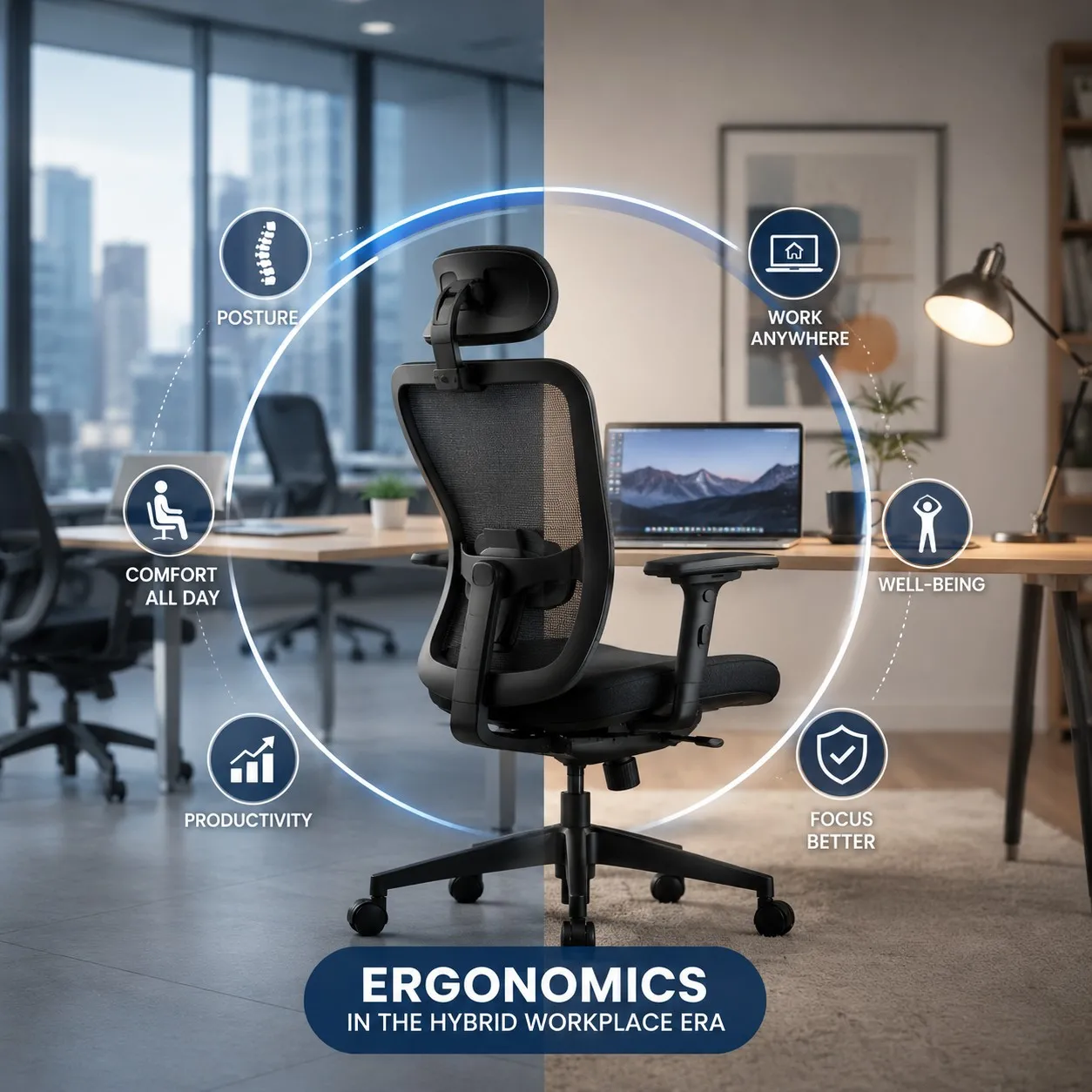
Hybrid work has changed how offices are used on a daily basis. Employees no longer stay fixed to a single desk for long hours every day. Instead, work patterns now shift between home, office, and flexible work zones. This has created new expectations from office furniture, especially in terms of adaptability, comfort, and long-term support.
Companies across IT, finance, consulting, healthcare, and corporate services are redesigning their offices to suit a workforce that moves between different environments while still requiring consistent comfort and productivity.
Changing Role of Office Furniture in Hybrid Work
Traditional office setups were built for fixed occupancy and predictable usage patterns. Hybrid work has disrupted this model and introduced a more fluid approach to workspace design.
Modern furniture now needs to support:
-
Shorter but more intensive office usage hours
-
Frequent workstation switching and shared desks
-
Flexible seating arrangements for visiting teams
-
Spaces that support both collaboration and focused work
-
Ergonomic comfort that reduces fatigue even in shorter usage cycles
This shift has pushed organizations to rethink furniture not as permanent infrastructure but as adaptable workplace tools.
Ergonomics Beyond the Traditional Office Chair
Ergonomics was earlier associated mainly with executive chairs and long working hours. In hybrid workplaces, ergonomics extends beyond seating.
It now includes:
-
Adjustable workstations that support different user heights and preferences
-
Seating systems designed for both short-term and extended use
-
Lounge seating that supports informal meetings and quick discussions
-
Storage systems that reduce clutter in shared environments
-
Layout planning that minimizes unnecessary movement and strain
The focus has moved toward overall posture support across multiple working scenarios instead of a single fixed setup.
Industry Trends Influencing Hybrid Workspace Design
Several trends are shaping how organizations approach hybrid office planning:
-
Hot desking systems replacing assigned seating in many corporate offices
-
Activity-based working zones that separate focused, collaborative, and informal work
-
Modular furniture systems that allow fast layout changes
-
Technology-integrated workstations supporting devices and connectivity needs
-
Increased focus on acoustic comfort and personal space in open layouts
These trends reflect a broader shift toward efficiency, flexibility, and employee experience rather than rigid office structures.
Procurement Shift Toward Flexible Furniture Systems
Organizations are now prioritizing flexibility when investing in office furniture. Procurement decisions are influenced by how easily furniture can adapt to changing team sizes, project demands, and workspace redesigns.
Key decision factors include:
-
Ease of reconfiguration without major cost
-
Durability under frequent movement and usage changes
-
Compatibility across different workspace zones
-
Long-term maintenance and lifecycle performance
-
Comfort consistency across shared environments
This has reduced demand for single-purpose furniture and increased interest in integrated, system-based solutions.
Trisun Perspective
Trisun Interio approaches hybrid workspace design with a focus on flexibility, ergonomics, and long-term usability. The product range is developed to support changing office dynamics where seating, workstations, and modular systems need to perform across multiple use cases.
With manufacturing aligned to BIFMA, ISO, TÜV, IGBC, and other global standards, Trisun ensures consistent quality, durability, and safety across its furniture systems. The emphasis on ergonomic engineering and modular design supports organizations that are transitioning toward hybrid work models and activity-based office layouts.
This approach helps businesses create work environments that remain functional, adaptable, and comfortable even as workplace structures continue to evolve.
Conclusion
Hybrid work has permanently changed the role of office furniture in corporate environments. Workspaces are no longer defined by fixed layouts but by adaptability and user experience. Ergonomics now extends across multiple environments, ensuring consistent comfort whether employees are working in offices, shared spaces, or flexible zones.
Organizations that align workspace design with hybrid work patterns create environments that support productivity, reduce fatigue, and improve overall employee experience in the long term.

Four decades of tracking input costs in this industry teaches you to distrust any sentence...
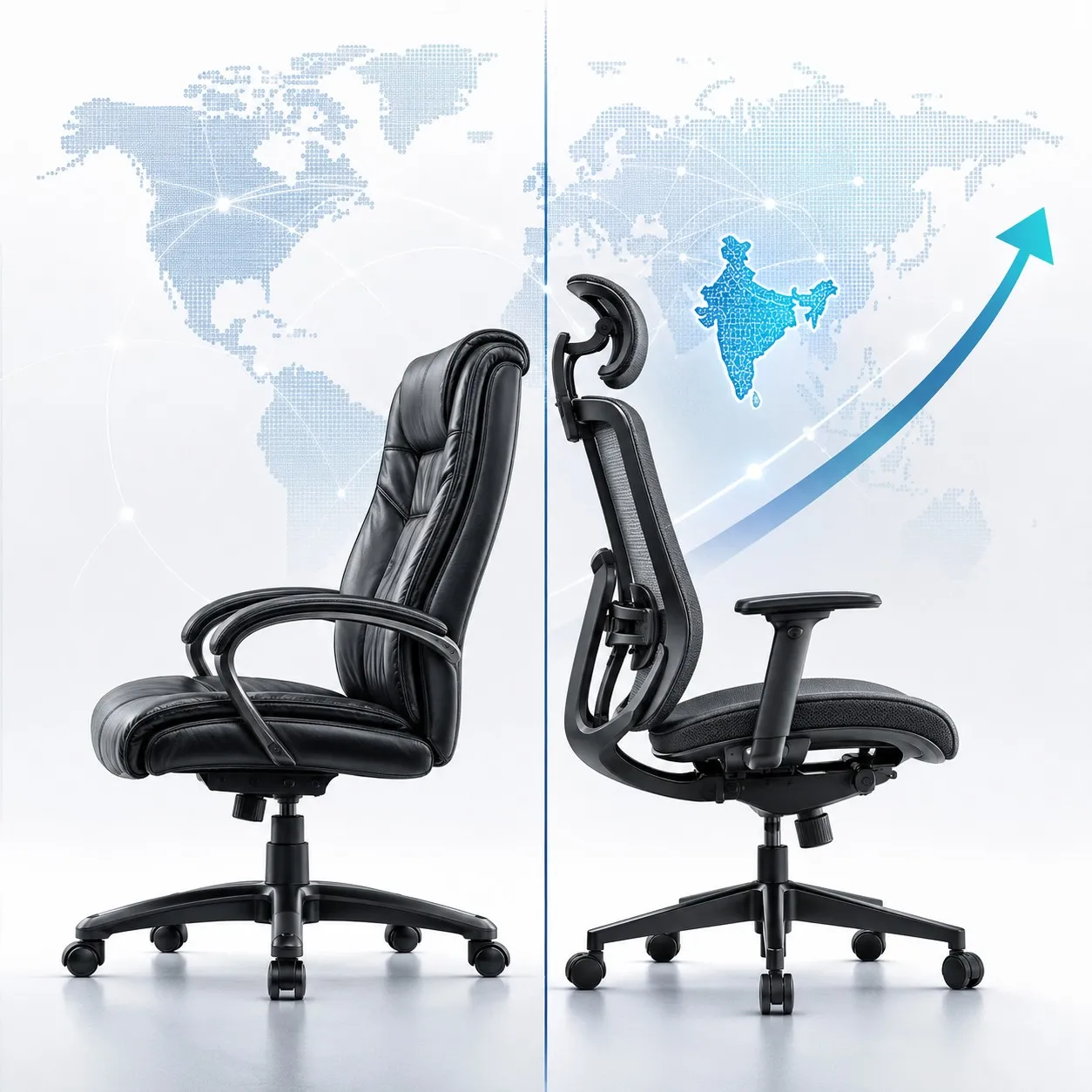
For most of the last century, the office chair was an afterthought four legs, a cushion,...